
Electronic bound-book software has replaced paper ledgers at many FFLs, but the new format doesn't loosen ATF oversight. Every entry still has to meet the same federal record-keeping rules that govern a paper book.
The difference is that software comes with its own set of requirements. ATF spells most of those out in one ruling, and missing even one can leave a licensee out of compliance. Here is what a compliant system needs to do and how to check one before you commit.
The Ruling Behind Every Electronic Bound Book
ATF has allowed electronic A&D records by ruling since 2008. The current version, ATF Ruling 2016-1, was approved in April 2016 and replaced ATF Ruling 2013-5. Its biggest change was allowing records to be stored on contracted or leased servers, including cloud storage. The ruling lets licensed importers, manufacturers, dealers, and collectors keep acquisition and disposition records electronically. In return, the software and the licensee must meet a list of specific conditions.
One condition surprises some licensees. Once any A&D records move into software, all of them must go electronic, including gunsmithing, sales, and NFA entries. Running a paper book for one category and an electronic bound book for another does not satisfy the ruling. That all-or-nothing approach sits at the core of ATF compliance for FFLs, regardless of license type.
What the Software Must Record and Find
A compliant electronic bound book captures every field the regulations require for your license type. That includes both the manufacturer and the importer, when there is one. You can add extra columns for details like inventory numbers or new and used status. Those extras must stay separate so the required data remains easy to read.
ATF Final Rule 2021R-05F, effective in August 2022, added more. If you take a privately made firearm (PMF) into inventory, you must mark and record it within seven days or before disposition, whichever comes first. Licensed manufacturers and importers must also keep acquisitions and dispositions in one consolidated book, much like a dealer's. Your software should handle both.
The system also has to stand on its own. It cannot lean on invoices or paper files to fill any gaps. Every required detail has to live inside the system itself. ATF also expects quick searches by several data points:
- Firearm serial number
- Acquisition date
- Manufacturer or importer name
- Purchaser name and address
- Form 4473 transaction serial number, if used
Fast queries matter when an investigator arrives or a trace request lands on your desk. ATF itself notes that searchable electronic records help licensees find entries and answer traces faster.
Correction Tracking and the Audit Trail
Mistakes happen in any record system, so ATF focuses on how software handles them. Your electronic bound book must track every correction through one of three approved methods:
- Keep each correction as a new entry, leave the original untouched, and switch views between original, corrected, or both.
- Print corrections as a separate report with the same firearm, acquisition, and disposition details a paper book requires.
- For spreadsheets, log each edit in a notes column showing what changed, who changed it, and why.
The first method gives inspectors the clearest picture, because nothing ever disappears from view. ATF permits spreadsheet tracking, but it leans heavily on staff discipline. A single missing note can turn a simple typo into an inspection finding. Clear correction history also helps new staff understand why an entry changed months later.
Backups, Printouts, and Record Retention
ATF also wants your data protected and within reach. The ruling requires daily backups to guard against accidental deletion or system failure. You also need to download or print your records at least every six months. If a cloud provider hosts your data, that download must happen daily. Downloads must be unencrypted, with the required information easy to read, and kept on a physical storage device at your premises. When an ATF officer requests your records, you must deliver them within 24 hours.
Hosting rules add a few more checkpoints. Your records must stay accessible from a computer at the licensed premises during business hours. Your own server must be located in the United States or its territories. A cloud host must have a business premises there and be subject to U.S. legal process. If you sign with or switch hosts, you have 30 days to notify your ATF Area Office.
Retention is the long game. Under ATF Final Rule 2021R-05F, 27 CFR 478.129 requires all FFLs to keep their A&D records and Forms 4473 until they discontinue their business or licensed activity. Your electronic bound book needs to hold that full history through upgrades and vendor changes. The ruling also requires a complete download before you change software, databases, or hosts.
The rules themselves may shift, too. In late April 2026, ATF released a package of roughly three dozen proposed and final rules. Two matter directly here. One would write electronic recordkeeping into the regulations for the first time, likely replacing ATF Ruling 2016-1. The other would replace the 2021R-05F retention requirement with a fixed period of 20 or 30 years. Both are still proposals. Until final rules take effect, ATF Ruling 2016-1 and 2021R-05F remain the standard. Software that keeps pace with rule changes makes those transitions far less stressful for your team. Ask any vendor how it plans to handle final rules once they take effect.
How to Vet an Electronic Bound Book Before You Switch
Many vendors describe their products as ATF-compliant, so ask them to show you. Request a demo of correction views, query screens, and a full records download. Ask where your data lives and how often the system backs it up. Pay attention to how easily the export opens and how clearly the required columns appear.
A few more questions help separate solid platforms from risky ones:
- Does the software keep each license in its own partitioned database?
- Can it export unencrypted records with the required information clearly visible?
- Does it handle PMF entries and, for manufacturers and importers, a consolidated A&D book?
- Can it keep records indefinitely today, and adjust if ATF finalizes a fixed retention period?
- Who owns the data if you leave, and in what format will you receive it?
- Does the vendor track ATF rule changes and update the product to match?
Honest answers reveal how a vendor treats compliance once the sale is over. The right electronic bound book should make inspections calmer, not add new risks.
Building Compliance Into Your Daily Routine
Staying compliant with an electronic bound book comes down to complete entries, traceable corrections, protected data, and reliable access. None of those pieces work alone. Together, they give your team a record that holds up when an investigator walks through the door.
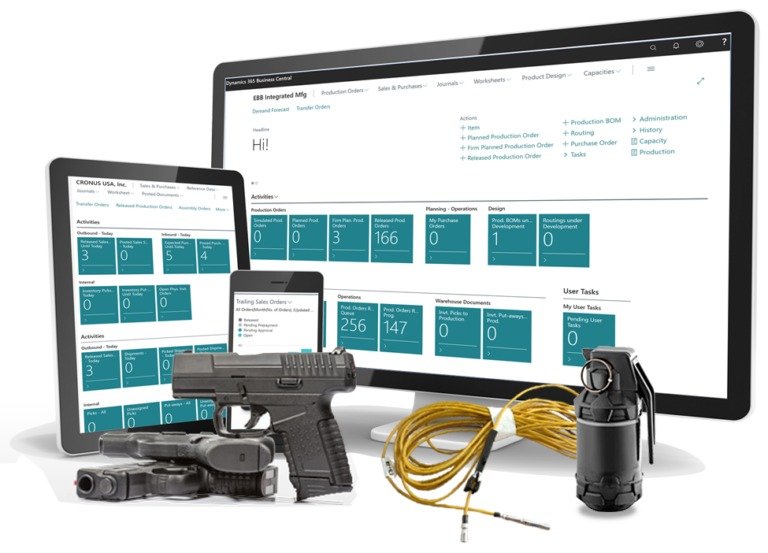
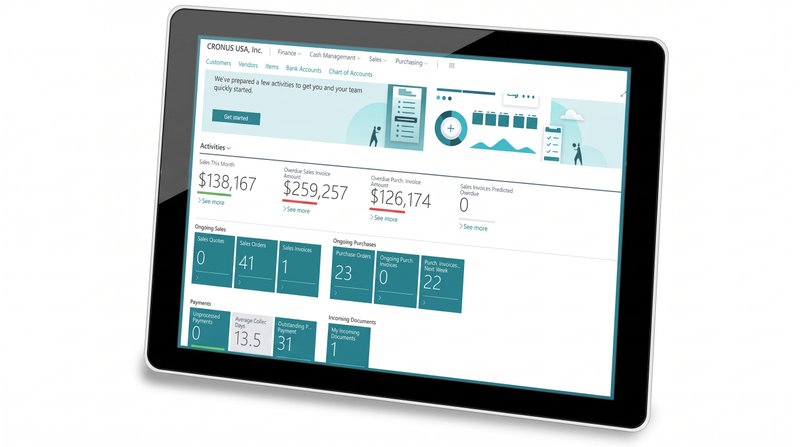
Business Automation Specialists of Minnesota, Inc., created the firearms industry's original electronic A&D system in 2008. The company has supported licensees with this work ever since. Its Easy Bound Book products range from stand-alone tools to compliance embedded in Microsoft Dynamics 365 Business Central. Weighing your options? A side-by-side look at bound book software features can clarify what fits your license and volume.
Curious how your current setup measures up? Reach out to the Easy Bound Book team, and a real person will happily walk through your records with you.